
Launch-day reviews serve a purpose. They tell you whether a new phone powers on, whether an appliance reaches temperature, and whether the marketing claims survive first contact with a controlled test. What they cannot tell you is how the same product behaves after the return window closes, after the novelty fades, and after it has lived through ordinary family use.
Six months is long enough for batteries to show their true capacity, for software updates to arrive or stall, for plastic parts to flex or crack, for cleanup habits to form or fail, and for the features that seemed essential at purchase to reveal whether they are still used. Reviews that stop at the unboxing or the first-week scorecard leave ordinary buyers without the information that actually predicts satisfaction.
This is why The Useful Upgrade treats longer-term ownership reports as essential rather than optional. The goal is not to chase every new release with breathless coverage. The goal is to help people decide what is worth buying for the life they already live.
Buy for the life you have, not the brochure you were shown. Six-month revisits are one of the clearest ways to apply that standard.

What Launch Reviews Naturally Miss
Controlled early testing happens under favorable conditions. The device is new. The reviewer is motivated. The environment is often optimized for measurement. Real households introduce variables that do not appear in those first sessions: inconsistent charging habits, kids who drop things, kitchens that get greasy, networks that grow more crowded, and the simple passage of time.
The Difference Between First Impression and Daily Reality
A phone that feels fast on day one may feel ordinary once background processes accumulate. An appliance that impresses with its first few meals may become annoying if the nonstick coating wears or the basket is difficult to clean. A smart device that delights with setup may later demand subscriptions or lose features through software changes. These shifts are invisible to a review published within days of launch.
Why Ordinary Buyers Need the Longer View
Most people do not replace phones, laptops, or kitchen tools every year. They need equipment that remains useful across multiple seasons of real life. Information about durability, support longevity, and sustained performance matters more to them than peak scores measured in the first week.
What Six Months Typically Reveals
Certain categories of information become clearer only with time.
Battery and Performance Longevity
Batteries degrade. Processors that felt snappy can feel less so once the operating system and apps have layered updates and background activity. A six-month check shows whether the device still meets the original daily needs or whether slowdowns have become noticeable under ordinary use.
Build Quality and Wear Points
Hinges, ports, buttons, nonstick coatings, plastic latches, and speaker grilles experience repeated stress. Early reviews can note materials; longer use shows which materials hold up and which become sources of frustration. Cosmetic wear is secondary to functional wear—ports that loosen, seals that fail, or surfaces that degrade in ways that affect cleaning or safety.
Software Support and Feature Changes
Updates can improve stability, add useful options, or remove features and introduce new requirements. Subscription prompts, altered privacy settings, and changes in how companion apps work often appear after the initial review period. A revisit captures whether the product is still the one the buyer thought they purchased.
Real Cleaning and Maintenance Effort
Kitchen appliances, robot vacuums, and similar devices reveal their true ownership cost in the repeated acts of emptying, wiping, descaling, or filter replacement. A device that is easy to use once can become a chore if maintenance is frequent or awkward. Six months of actual household routine makes that cost visible.
Hidden or Recurring Costs
Replacement parts, specialized cleaners, subscription services, and accessories that turn out to be necessary add to the total cost of ownership. Launch coverage rarely quantifies these because they have not yet appeared. Longer-term reports can.
How a Useful Six-Month Revisit Is Structured
A longer-term report does not need to repeat every original measurement. It should answer the questions an ordinary owner actually has after living with the product.
Does It Still Do the Job It Was Bought For?
Compare current performance against the original use case. If the device was purchased for reliable video calls, all-day battery, or consistent kitchen results, report whether those expectations still hold under normal conditions.
What Has Changed Since Purchase?
Note software updates, any required account or subscription changes, physical wear, and shifts in how the household uses the device. Record both improvements and regressions.
What Would the Owner Do Differently?
Honest reflection on setup choices, accessory purchases, or expectations that proved unrealistic helps future buyers avoid the same friction.
Who Should Still Buy It—and Who Should Skip It?
Update the original recommendation with ownership experience. A product that looked strong at launch may prove better suited to light use, or less suitable for households that prioritize easy maintenance.
Categories Where Six-Month Perspective Matters Most
Some products change little after the first weeks. Others change a great deal.
Phones and Tablets
Battery health, software update cadence, and sustained performance under a normal app load are difficult to judge early. A six-month check provides clearer data for people who keep devices two to four years.
Laptops
Thermal behavior, keyboard and hinge durability, battery consistency, and the impact of cumulative software updates become apparent only after sustained daily use.
Kitchen Appliances
Coatings, seals, heating consistency, noise, and cleaning effort reveal themselves through repeated real meals rather than a handful of test recipes.
Robot Vacuums and Smart Home Devices
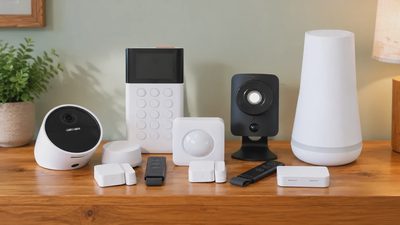
Navigation reliability, maintenance frequency, subscription pressure, and ecosystem changes often emerge after the honeymoon period. Early reviews can measure suction; longer use measures whether the device still earns its place in the routine.
Audio and Wearable Gear
Comfort over long sessions, battery behavior after many charge cycles, and connection stability in real environments are better judged after months than after days.
Why This Approach Serves Ordinary Buyers Better
Enthusiast reviewers and launch-focused coverage optimize for speed and completeness of feature lists. Ordinary buyers optimize for the likelihood that a purchase will still feel like a good decision half a year later. Those are different goals. A review practice that includes planned revisits aligns more closely with the second goal.
It also reduces the pressure to treat every new release as essential. When longer-term data shows that last year’s model still performs well for common tasks, the useful choice is often to keep what you have or to buy the previous generation at a lower price.

Practical Implications for Readers
When you read reviews, look for evidence of sustained use. Prefer sources that return to products after months rather than only publishing first-look scores. Treat early praise for durability or “premium feel” as provisional until real wear data appears. Weight ownership reports more heavily when your intended use matches the reviewer’s described household conditions.
When you buy, plan for the possibility that the most useful information will arrive after the return window. Keep original packaging for a reasonable period if the retailer allows extended returns. Document any early issues so you can act while coverage remains available.
Closing Recommendation
Launch reviews answer the question “Does this work as advertised on day one?” Six-month revisits answer the question that matters more to most households: “Does this still work well for the life I actually live, and was it worth the money and setup effort?”
A review culture that treats the longer view as standard rather than exceptional gives ordinary buyers better tools for decision-making. It rewards products that hold up and exposes those that only shine under controlled first impressions. That is the standard this site aims to meet—because the useful upgrade is the one that remains useful after the hype has moved on.

No notes yet — write the first.