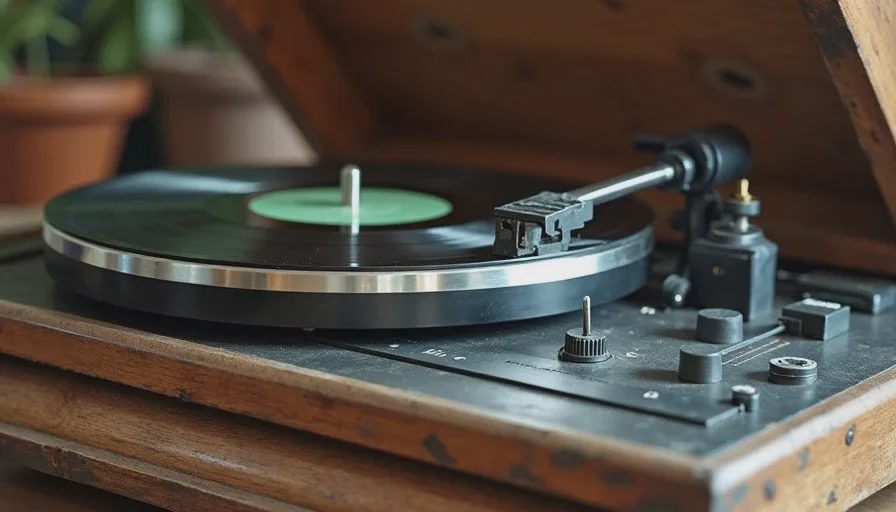
Estate sales and thrift stores are full of electronics that look promising under fluorescent lights or in a neatly staged living room. A polished receiver, a pair of heavy speakers, a turntable with a dust cover still intact—any of these can suggest quality and remaining life. Experience quickly teaches that surface condition is only one data point, and often not the most important one.
I will not invent a dramatic personal story or claim specific test results that were never recorded. Instead this article shares the practical evaluation habits that separate useful second-hand audio gear from pieces that only look the part. The same habits apply whether you are standing in a garage at an estate sale or sorting a thrift-store shelf. The goal is to bring home equipment that still performs, or that can be restored at reasonable cost, rather than expensive decorations.
Buy for the life you have, not the brochure you were shown. That principle holds when the brochure is a dusty owner’s manual from 1987.
Why Appearances Mislead With Audio Gear
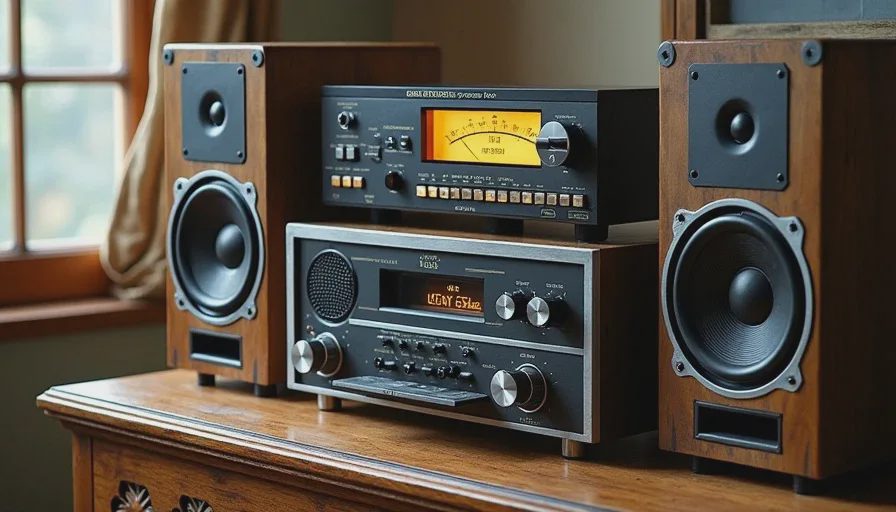
Wood cabinets can be refinished; faceplates can be cleaned; knobs can be replaced. Internal problems—dried capacitors, oxidized switches, deteriorated foam surrounds on speakers, failing power supplies—are invisible until the unit is powered and tested. A pristine exterior can hide years of heat damage or neglect. Conversely, a scuffed cabinet may contain electronics that still work reliably.
The useful approach is to treat cosmetic condition as secondary information and to focus on evidence of function, completeness, and repair feasibility.
What “Useful” Means for Second-Hand Audio
A receiver or amplifier that powers on, produces clean sound through both channels, and has intact controls. Speakers that produce balanced sound without rattles, buzzes, or obvious surround deterioration. A turntable that spins at correct speed with a functional tonearm and cartridge, or that can accept a replacement cartridge at reasonable cost. Equipment that matches how you actually listen—whether that is casual background music, focused listening, or simply a better television sound system.
Perfection is rare at estate prices. Functional reliability and realistic repair cost matter more.
A Practical On-Site Evaluation Sequence
Estate sales move quickly and testing conditions are rarely ideal. A consistent sequence helps you decide under time pressure.
Confirm Power and Basic Operation
Ask whether you may plug the item in. If power is available, watch for indicator lights, display activity, and any unusual smells or sounds at power-up. A unit that remains completely dark may have a simple fuse issue or a more serious power-supply problem; treat it as higher risk unless you can inspect further.
Test Sound With a Known Source If Possible
Bring a phone and a simple cable or use a source the seller can provide. Play familiar music at moderate volume through both channels. Listen for obvious distortion, channel imbalance, crackling when knobs are turned, or speaker rattles. Move balance and tone controls through their range. Note whether the sound remains clean or degrades.
Inspect Physical Condition Beyond the Surface
Look at speaker surrounds (the flexible ring around the cone) for dry rot, tears, or excessive softness. Check for cracked plastic, bent connectors, or missing feet that affect stability. On turntables, examine the belt (if visible), the condition of the platter, and whether the tonearm moves freely. On receivers, check that all knobs and switches operate without excessive looseness or grinding.
Verify Completeness and Connectors
Missing speaker wire, absent remote controls, or proprietary connectors that are hard to replace reduce usefulness. Confirm that input and output jacks are intact and not bent. For older gear, note whether the connections are standard (RCA, basic speaker terminals) or unusual.
Ask Simple History Questions
Has the item been stored in a basement, attic, or garage? Was it working when last used? Any known problems? Answers are not guarantees, but patterns of long storage in damp or extreme temperatures raise the probability of internal issues.
Common Failure Points Worth Checking
Different components fail in characteristic ways.
Receivers and Amplifiers
Power-supply capacitors age and can cause hum, weak output, or failure to power on. Switches and potentiometers oxidize, producing crackle when adjusted. Output transistors or integrated circuits can fail, sometimes taking speakers with them if protection circuits are absent or faulty. A unit that powers on and plays cleanly at modest volume is already ahead of many estate-sale finds.
Speakers
Foam or rubber surrounds deteriorate with age and environment. Voice coils can be damaged by previous overdriving. Cabinets may have loose bracing that causes buzzes. Heavy, well-braced cabinets with intact surrounds and clean sound are generally more promising than lightweight cabinets with visible surround damage.
Turntables
Belts stretch or dry out. Stylus and cartridge wear affects sound quality and record wear. Motors can run off-speed. Isolation feet and suspension components degrade. A turntable that spins and produces sound is a starting point; budget for a new stylus or cartridge unless the existing one is known to be recent.
Cassette Decks, CD Players, and Other Sources
Belts, lasers, and mechanical transports are common failure points. These items often require more specialized repair and may not justify the effort unless the unit is particularly desirable or the price is very low.
Estimating Repair Cost and Effort Before You Buy
A low purchase price is not a bargain if repair costs exceed the value of a working equivalent.
Identify Likely Repairs From Symptoms
No power suggests fuse, power cord, or supply issues. Sound in one channel only points toward balance controls, switches, or output stages. Distortion at modest volume can indicate failing components or damaged speakers. Visible surround rot means speaker repair or replacement is needed.
Know Your Own Limits and Local Resources
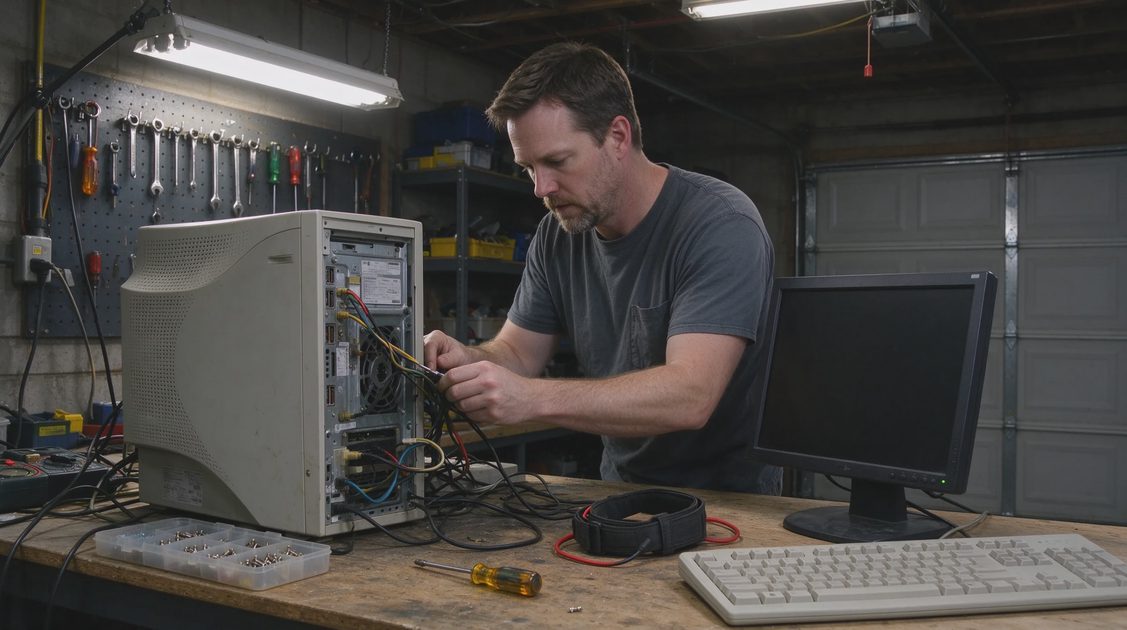
Some repairs are straightforward for people comfortable with basic electronics and soldering; others require specialized knowledge or parts that are no longer manufactured. Local repair shops, online parts suppliers, and community resources vary by area. If you do not intend to repair something yourself, factor in professional diagnostic and labor fees.
Compare Against Working Alternatives
Ask what a comparable working unit costs from a reputable used dealer or certified refurbisher. If the estate-sale price plus realistic repair approaches that figure, the risk may not be justified unless the specific piece has features or sentimental value you want.
Practical Habits That Improve Outcomes
Carry a small flashlight, a phone with a music app, and a simple auxiliary cable if you frequent sales. Arrive early for better selection or later for potential price reductions, depending on the sale. Set a firm maximum price before emotional attachment forms. Prefer items you can test on site over sealed or inaccessible ones. Photograph model numbers so you can research parts availability later if needed.
Store purchased gear in a dry place and test it thoroughly at home before integrating it into daily use. Keep original packaging or at least adequate protection if you may need to transport it again.
When to Walk Away
The unit cannot be powered or tested and the price assumes perfect function. Visible safety issues such as frayed cords, scorched components, or damaged insulation. Repair cost is likely to exceed the value of a working alternative. The item does not match how you actually listen and would require additional purchases to become useful. Or the seller cannot provide even basic information and the risk feels high for the price.
Walking away is a successful outcome when it prevents a larger disappointment.
Who Benefits Most From This Approach
People who enjoy the hunt for functional older equipment and are willing to learn basic evaluation. Households looking for better sound than small powered speakers without paying new-equipment prices. Anyone who prefers repairable gear with standard connectors over sealed modern units that are difficult to service.
Who May Prefer a Different Path
Listeners who want the latest streaming features, app control, or multi-room integration out of the box. People who prefer a single warranty-backed purchase over the variability of estate finds. Those with no interest in basic testing or potential repair.
Both approaches are valid. The estate-sale path simply requires more on-site judgment.
Closing Recommendation
Treat every used stereo, receiver, or pair of speakers as a set of functional questions rather than a cosmetic one. Power it when possible, listen critically, inspect the parts that commonly fail, and estimate repair reality before money changes hands. Appearance can indicate care, but it cannot confirm performance.
The useful second-hand audio find is the one that still does the job you need—or can be restored to do so at a cost that makes sense. Everything else is just furniture that happens to have knobs. Applying that standard consistently turns estate sales and thrift shelves from gambles into a practical source of equipment that serves the way you actually listen.


No notes yet — write the first.