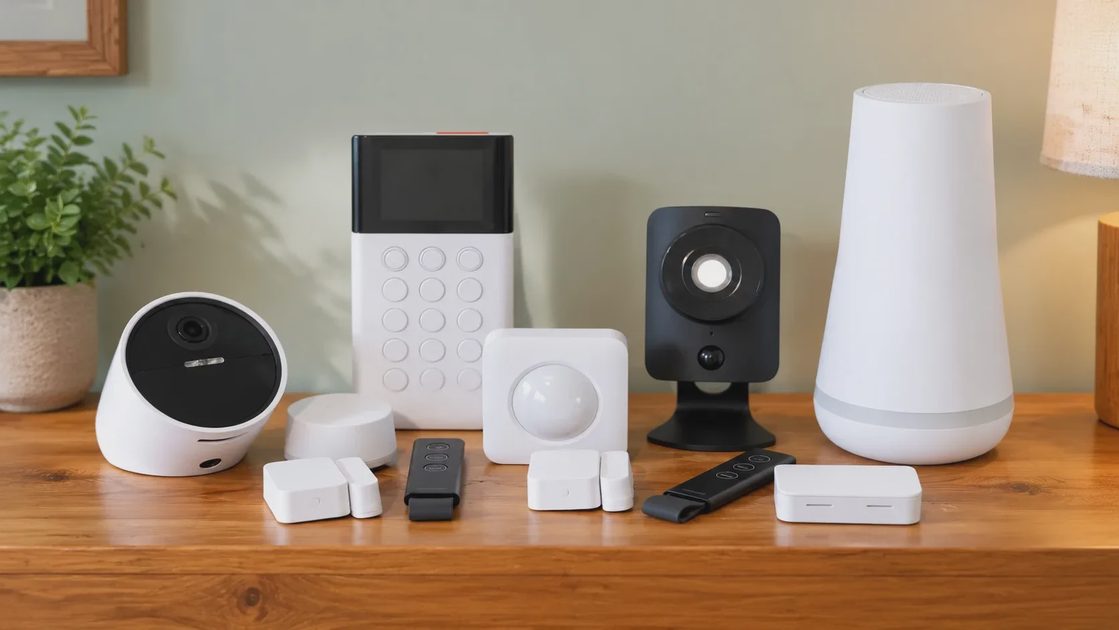
The shelf price of a smart camera, video doorbell, robot vacuum, or connected appliance is only the first number. Many of these products are designed to generate ongoing revenue through subscriptions for cloud storage, advanced features, enhanced support, or continued full functionality. Some subscriptions are optional. Others effectively become required if you want the device to deliver what the marketing described.
Ordinary households feel this after the return window closes, when the free trial ends and the choice becomes “pay monthly or lose features.” Understanding where these costs appear—and how to evaluate them before purchase—prevents the slow surprise of a higher total cost of ownership.
Buy for the life you have, not the brochure you were shown. That includes the monthly fees the brochure often pl

aces in fine print.
Why Subscriptions Are Common in Smart Home Products
Hardware margins can be thin. Cloud storage, artificial-intelligence features, remote access, and continuous software support have real costs. Manufacturers recover those costs, and often additional profit, through recurring fees. The free trial or limited free tier gets the device into the home. The subscription converts usage into ongoing revenue.
This model is not automatically bad. It is a problem when the buyer does not see the full cost at decision time or when core functionality is locked behind a paywall after purchase.
The Difference Between Optional and Effectively Required
An optional subscription adds convenience or extra capacity. An effectively required subscription is one you must maintain to keep the features that justified the purchase—continuous video history, reliable remote alerts, full robot-vacuum mapping features, or advanced automation. Knowing which type you are facing changes the math.
Where Subscriptions Most Often Appear
Certain categories have become closely associated with recurring fees.
Security Cameras and Video Doorbells
Cloud video storage and extended history are the most common subscription triggers. Local storage options exist on some models and can reduce or eliminate the need for a plan. Without a subscription, many cameras offer only live view or very limited event clips. If recorded history and richer notifications matter to you, budget for the ongoing fee or choose a model with robust local storage.
Smart Locks and Access Systems
Some locks require a subscription for remote access logs, temporary access codes managed from the cloud, or integration with certain monitoring services. Basic locking and unlocking with a physical key or local code often remain free. Evaluate whether the cloud features are essential to your use.
Robot Vacuums and Mops
Advanced features such as multi-floor mapping retention, no-go zone management across sessions, or detailed cleaning history sometimes sit behind a subscription or a higher-tier account. Core cleaning usually continues without a plan. Decide whether the extra software features justify permanent cost.
Connected Appliances
Refrigerators, ovens, washers, and similar appliances may offer premium features—advanced diagnostics, specialized cycles, or content services—through subscriptions. Many owners never activate them. Read the description carefully so you are not paying for hardware capability that later requires a fee to unlock fully.
Health, Fitness, and Air-Quality Devices
Scales, air purifiers, and similar products sometimes limit long-term data history, detailed insights, or advanced alerts to subscribers. Basic readings may remain available. Match the subscription to whether you will actually use the historical data.
Voice Assistants and Smart Displays
Premium voice or media features, expanded cloud memory, or ad-free experiences can carry fees. The core assistant functions usually remain free, supported by advertising or data practices. Factor this into the overall household ecosystem cost.
How to Evaluate Total Cost Before You Buy
A short process prevents most surprises.
Identify Every Feature That Matters to You
List the capabilities that justify the purchase. For a camera: recorded video history, person detection, remote viewing. For a robot vacuum: reliable daily cleaning, easy boundary control. Be specific.
Check Which of Those Features Require a Subscription
Read the manufacturer’s current subscription page and the product specifications. Look for language such as “with subscription,” “premium plan required,” or “free trial then…” Note the price after trial and whether prices have risen in recent years.
Calculate Multi-Year Cost
Add the hardware price to the expected subscription cost over the number of years you plan to keep the device. Compare that total to a non-subscription alternative that meets the same core needs. A cheaper camera with mandatory cloud fees can cost more over three years than a slightly more expensive camera with local storage.
Look for Local or One-Time Alternatives
Prefer products that offer meaningful local storage, on-device processing, or one-time purchases for advanced features when those options exist. They reduce ongoing dependency.
Review Account and Cancellation Terms
Understand whether canceling the subscription simply removes extras or degrades core function. Check how easy it is to export any data you care about before canceling.
Practical Questions to Ask at Purchase Time
Does basic functionality continue without a subscription? What exactly do I lose when the free trial ends? Is there a local-storage or offline mode that meets my needs? How much has the subscription price changed in the last two years? Are there comparable products that do not require a plan for the features I want?
Clear answers make the decision straightforward. Vague or hard-to-find answers are themselves useful information.
Who Should Accept Subscriptions
Households that value the specific cloud features and will use them consistently. People who prefer the convenience of managed storage and remote services over local management. Buyers who have compared the multi-year cost and still find the product the best fit.
Who Should Avoid or Minimize Them
Buyers who want predictable one-time costs. Households that prefer local control and storage. People who have watched free tiers shrink over time and do not want another recurring bill. Anyone whose core need can be met by a non-subscription or lower-subscription alternative.
Reducing Exposure After Devices Are Already in the Home
Audit existing smart devices for active free trials that are about to convert. Cancel subscriptions for features you no longer use. Explore local-storage options or alternative firmware only where supported and safe. Replace devices at end-of-life with models whose cost structure better matches your preferences. Segment smart devices onto a separate network if you want to limit their reach.
Closing Recommendation
Treat the subscription price as part of the product price. If the features that make the device worth buying require an ongoing fee, include that fee in your comparison. Prefer products that keep core functionality available without a plan, or that offer robust local alternatives. Calculate the multi-year total rather than the attractive hardware-only number on the shelf.
The useful smart-home upgrade is the one that improves daily life without quietly adding permanent bills for features you assumed were included. Reading the subscription terms before purchase is one of the simplest ways to protect both budget and expectations. Once the device is on the wall or in the corner, the leverage shifts to the company. Use your leverage while you still have it—at the moment of decision.

No notes yet — write the first.