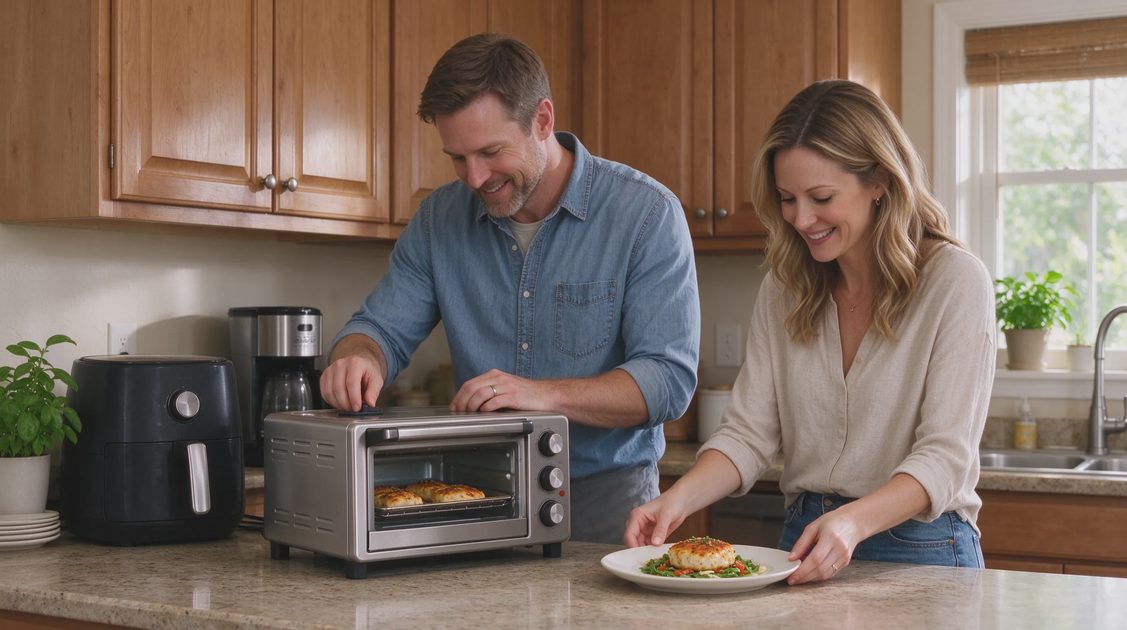
Countertop ovens and toaster ovens occupy a useful middle ground in many kitchens. They heat faster than a full oven for small meals, handle toast and simple baking, and avoid heating the entire kitchen on warm days. After several years of regular use they also begin to show wear—uneven heating, failed elements, sticky controls, or doors that no longer seal well.
I will not invent a specific repair story or claim results from a particular unit. Instead this article gathers the practical lessons that apply when a five-year-old countertop oven starts to fail. The goal is to help you decide whether repair is realistic, what safety issues override cost calculations, and when replacement is the clearer path.
Buy for the life you have, not the brochure you were shown. That includes the appliance already sitting on your counter.
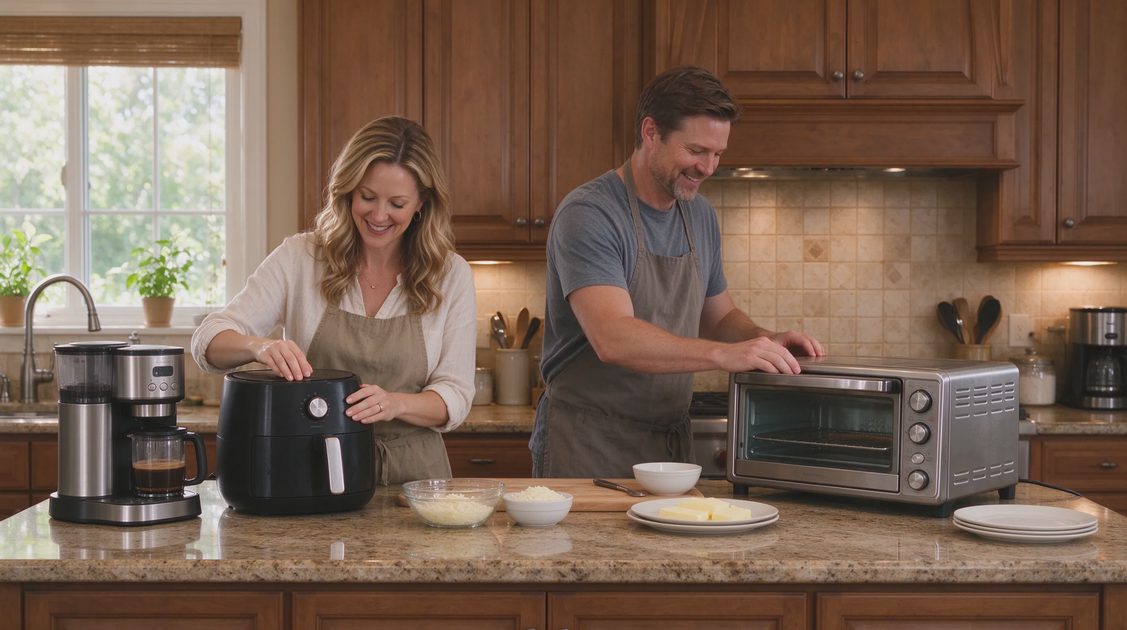
Why These Appliances Are Worth Evaluating for Repair
A good countertop oven is simple compared with a full range. Heating elements, basic controls, a thermostat or sensor, a fan in convection models, and a door switch are the primary systems. When one of those fails, the rest of the unit may still be sound. Parts for popular models are often available, and some repairs are within reach of careful owners or local appliance technicians.
The decision still requires honesty about cost, remaining useful life, and safety.
The Core Decision Rule Still Applies
Repair when the cost and effort restore reliable, safe function for a meaningful period and stay well below the price of a suitable replacement. Replace when the repair only postpones a larger failure, approaches the cost of a new unit, or leaves safety in question.
Common Failure Points on Older Countertop Ovens
Knowing the usual suspects focuses diagnosis and quoting.
Heating Elements
Lower and upper elements can burn out or develop cold spots. Visible breaks, blistering, or a section that no longer glows are clear signs. Element replacement is one of the more straightforward repairs when parts are available and access is reasonable.
Thermostat and Temperature Control
Inaccurate or failed temperature regulation produces under- or over-cooked food and can stress other components. Symptoms include wide temperature swings or failure to reach set points. Diagnosis sometimes requires basic testing; replacement may involve calibration or a full control swap.
Door Seals, Hinges, and Latches
Heat escaping around a poorly sealed door reduces efficiency and can affect browning. Worn hinges or a latch that no longer holds securely create both performance and safety concerns. These parts are often replaceable and relatively inexpensive.
Control Boards, Switches, and Dials
Electronic controls can fail from heat, power surges, or age. Mechanical dials and selector switches wear out or oxidize. Intermittent operation or complete unresponsiveness points here. Board-level repairs are less commonly economical than whole-control replacement.
Fans and Convection Components
On convection models a failed fan produces uneven results and can lead to overheating in some designs. Noise, lack of airflow, or error indicators are typical clues.
Power Cord and Internal Wiring
Frayed cords, damaged plugs, or heat-damaged internal wiring are safety issues first and performance issues second. These should be addressed before any other repair proceeds.
Safety Checks That Override Cost Calculations
Some conditions end the repair conversation regardless of price.
Visible Scorching, Melting, or Burning Smells
Discoloration of wiring, melted plastic near electrical parts, or persistent burning odors indicate heat damage that may have compromised insulation or connections. Continuing to use or attempting partial repair without addressing the root cause is not worth the risk.
Inconsistent or Runaway Temperature Behavior
An oven that continues heating after it should cycle off, or that reaches temperatures far above the set point, poses a fire and burn hazard. Treat this as a stop sign until professional diagnosis confirms the cause is fixed.
Compromised Door Safety Interlocks
Many designs use a door switch to cut power or elements when the door opens. If that system fails, the appliance can present live heating elements or other hazards. Verify interlock function as part of any evaluation.
Water or Heavy Grease Intrusion Into Electrical Areas
Liquid or heavy residue in control or wiring compartments increases shock and fire risk. Thorough cleaning and inspection are required before further use or repair.
When any of these conditions are present, professional evaluation or replacement is the responsible path.
Evaluating Repair Cost and Remaining Life
A realistic quote and an honest estimate of future service shape the decision.
Obtain a Clear Diagnosis and Parts Cost
Describe the symptoms accurately. Ask whether the quoted price includes parts, labor, and any diagnostic fee. Confirm that the proposed repair addresses the observed failure and not only a secondary symptom.
Compare Against a Suitable Replacement
Do not compare repair cost only to a premium new model. Compare it to a current mid-range countertop oven that meets your actual cooking needs. Include the value of time without the appliance and any setup learning for a new unit.
Estimate Post-Repair Longevity
A single failed element on an otherwise healthy five-year-old oven may justify repair if the rest of the unit is solid. Multiple simultaneous failures, heavy corrosion, or a history of intermittent problems suggest the appliance is nearing the end of economical life.
Factor in Parts Availability
Popular models from major brands often have better parts support. Obscure or very old units may face long lead times or unavailable components, tilting the decision toward replacement.

Practical Steps If You Proceed With Repair
A few habits improve outcomes.
Unplug and Confirm Power Is Off
Never work on an appliance that is still connected. Verify with a simple check that elements and controls are inert.
Document Disassembly
Photograph cable routing and component positions before removing parts. Reassembly errors are a common source of second failures.
Use Correct Replacement Parts
Match voltage, wattage, and form factor. Generic parts sometimes fit physically but perform differently or create new safety issues.
Test Thoroughly After Repair
Before returning the oven to regular service, run it empty at moderate temperature, verify thermostat behavior, confirm door interlocks, and check for unusual smells or sounds. Then test with a simple food load.
Keep Safety Central
If at any point the repair exceeds your skill or comfort with electrical appliances, stop and consult a qualified technician. Countertop ovens are simpler than full ranges, but they still involve line voltage and heat.
When Replacement Is the Better Choice
The repair quote approaches or exceeds the price of a suitable new or refurbished unit. Multiple systems are failing. Safety issues cannot be fully resolved. Parts are unavailable or lead times are excessive. Or the oven no longer matches how the household cooks—even if repaired, it would remain the wrong size or feature set.
In these cases the useful upgrade is a current model that fits actual needs, not another investment in a declining appliance.
Lessons That Apply Beyond One Oven
Simple appliances with identifiable wear parts are often worth repairing when safety is intact and cost is favorable. Appearance and age alone do not determine remaining value. Safety symptoms override economic calculations. And the best repair decision still starts from how the appliance fits the life you actually cook.
Closing Recommendation
When a five-year-old countertop oven falters, identify the specific failure, rule out safety stop-signs, obtain a realistic repair cost, and compare it to a replacement that meets your real cooking patterns. Repair when the numbers and the safety profile support continued useful life. Replace when they do not.
The useful kitchen tool is the one that heats evenly, operates safely, and earns its counter space without constant attention. Whether that tool is a repaired older unit or a carefully chosen newer one depends on the evidence in front of you, not on a general preference for keeping everything or replacing everything. Apply the same practical standard you would to any other household decision, and the answer usually becomes clear.

No notes yet — write the first.